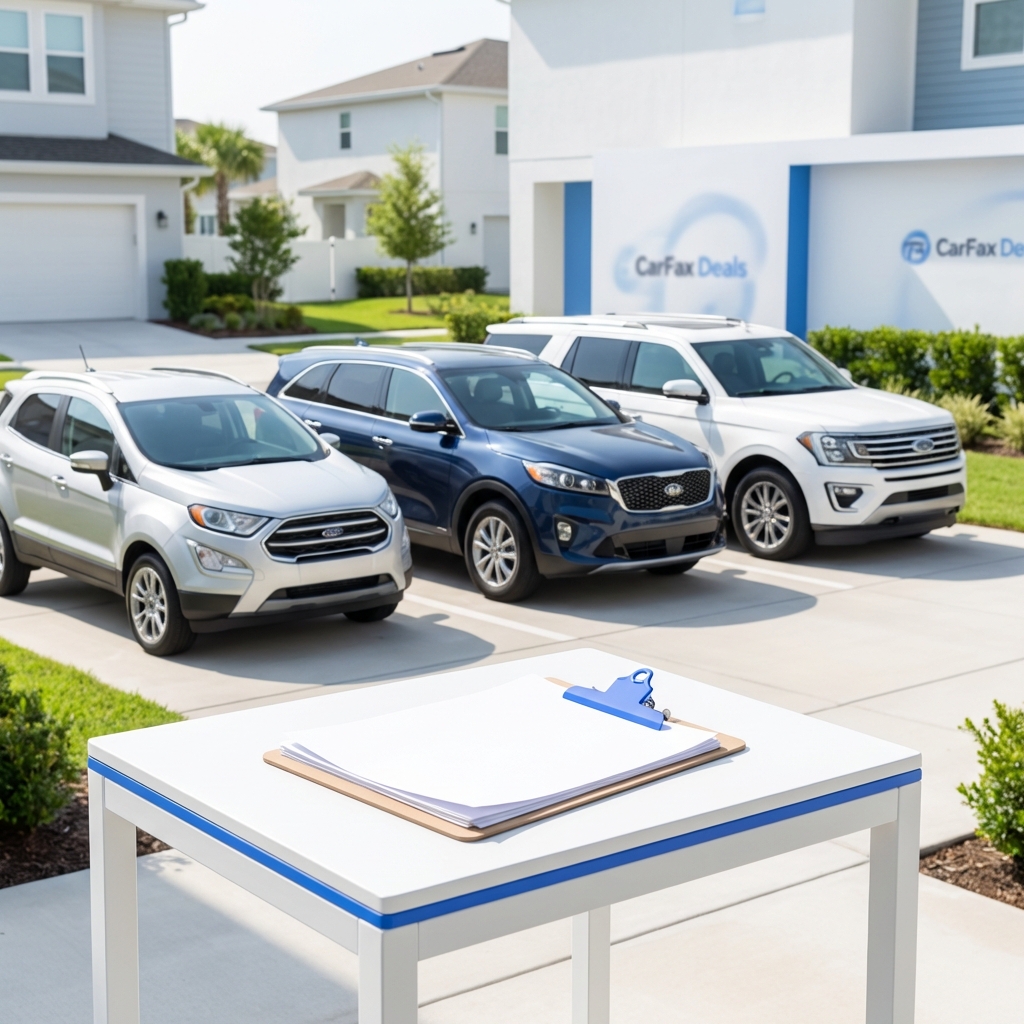
Quick answer and why reliability matters
The short answer from owner-based datasets and repair-cost analyses is that Lexus models, and in particular the Lexus RX among mid-size SUVs, consistently rank at or near the top of reliability lists.
This pattern appears across multiple large studies and owner surveys that track problems and repair trends over time, which makes reliability a practical filter for used buyers who want fewer surprises and a clearer estimate of total cost to own. J.D. Power Vehicle Dependability Study
Reliability matters because vehicles with lower reported repair frequency tend to need fewer unexpected visits to the shop, and that usually lowers running costs and supports steadier resale value. Consider repair frequency and average repair cost together when comparing models, since a low number of visits is less helpful if those visits are very expensive.
Always set expectations: rankings change by model year, trim and local market supply, and a dependable model does not remove the need for a VIN-level check and an independent inspection before purchase.
What this article covers
This guide summarizes how the main reliability studies measure dependability, which models emerge near the top, and how to apply those findings to used listings in your area. It focuses on evidence and on steps you can follow to reduce risk when contacting a dealer.
How to use this guide in a local search
Use the decision framework here to filter listings before you visit a lot. Start with reliability rankings, then confirm safety ratings, then validate the individual vehicle with a vehicle history report and pricing insights. How-to guide
How to interpret 'kia close to me' search results when looking for a reliable SUV
When you search for kia close to me you usually get local dealership pages and nearby inventory. The query itself does not tell you how reliable a specific vehicle will be, so treat local listings as starting points, not final answers.
Local search results can show a wide range of model years, trims and mileage, and that variation changes expected maintenance and resale outcomes. Compare local prices to broader pricing studies to spot listings that look unusually cheap or expensive for the area. Kelley Blue Book used car reports

Search results for kia close to me also often include dealer ratings and review summaries. Use those dealer transparency signals alongside documented service history and ownership records to reduce uncertainty before you contact the seller.
Pay attention to inventory age and supply. Local oversupply of a specific model can push prices down and change the resale expectations you might see in national studies.
What the query shows and what it usually means
On its own, a local search is about proximity and dealer inventory. It rarely shows owner-reported reliability or repair cost trends, so you need to add external data to judge long-term ownership risk properly.
Why local context changes value
Where you shop affects total cost to own. Two identical model years can trade at different prices in separate regions because of demand, accident history patterns and local service costs. Always compare a listing's price analysis label to both local and national pricing context. Edmunds pricing and ownership analyses
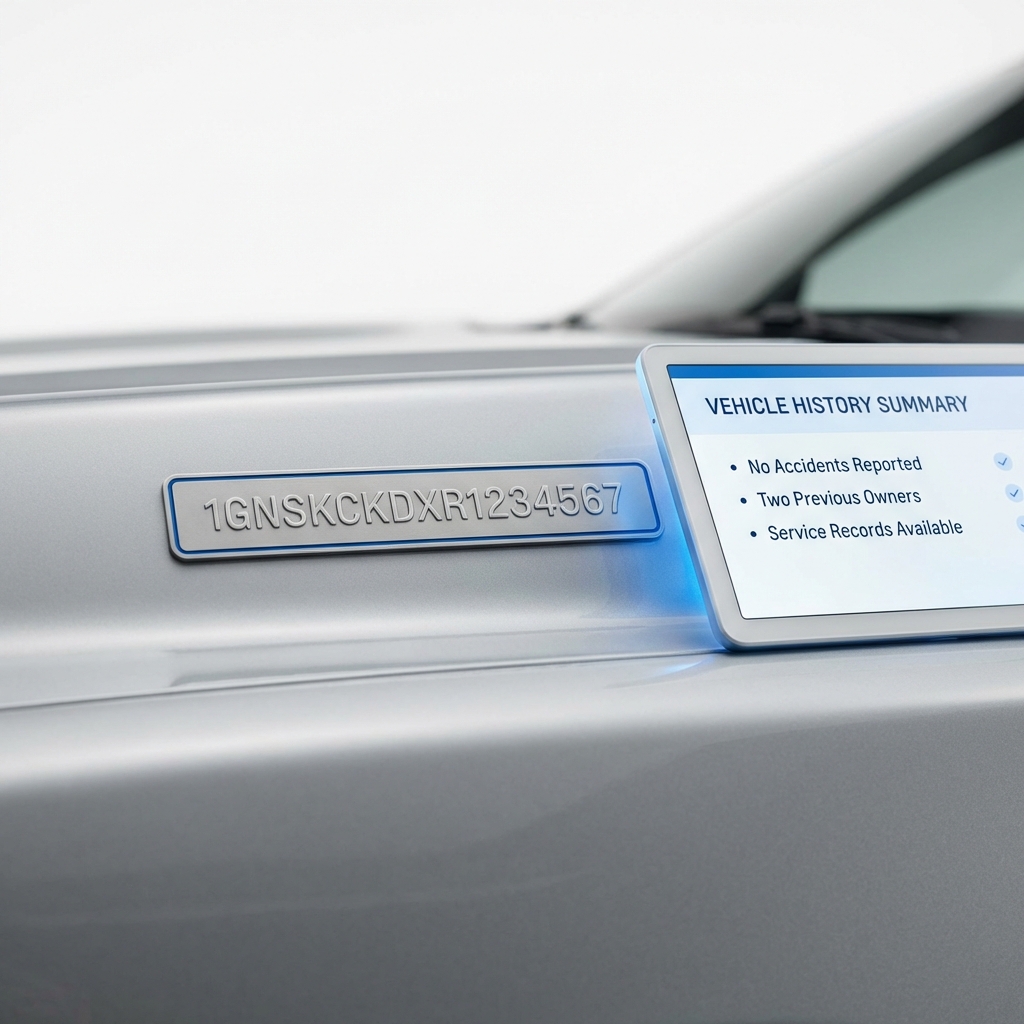
Different studies measure reliability in different ways, and that makes a difference when you compare results. Understanding methodologies helps you weigh which ranking matters most for your priorities.
J.D. Power VDS - problems per 100 vehicles (PP100)
J.D. Power's Vehicle Dependability Study reports problems per 100 vehicles over a defined ownership window and uses lower PP100 as the sign of higher dependability. That approach focuses on real owner-reported problems over the first three years of ownership and is useful when you want a sense of common issues across a brand or model. J.D. Power Vehicle Dependability Study
Consumer Reports' owner surveys and composite scores
Consumer Reports builds composite reliability scores from large owner-survey panels combined with road-test results to reflect real-world durability and owner experience. This method weights many small owner reports and test results to produce a long-term reliability view that can differ from short-term problem counts. Consumer Reports reliability summary
RepairPal's repair frequency and cost approach
RepairPal combines repair frequency, severity and average repair cost to estimate which models are least likely to require costly service. That cost-focused perspective complements owner-survey metrics and can change model rankings when repair costs, not just visit counts, drive ownership expense. RepairPal reliability ratings
Each measurement style has value. Use owner-survey counts to spot common problems, composite scores to understand long-term durability, and repair-cost analyses to estimate likely spending on maintenance and repairs.
Top-ranked reliable SUVs: what the data shows (and limits to those claims)
Across large owner-based datasets and repair-cost analyses in recent years, Lexus models, notably the Lexus RX in the mid-size SUV category, consistently appear near the top of reliability rankings. This pattern holds in multiple studies that use different methods, which strengthens the conclusion about relative dependability for many buyers. Consumer Reports reliability summary Also see Consumer Reports 2025 Lexus RX owner satisfaction.
That evidence does not mean every Lexus RX is problem free or a perfect fit for every buyer. Reliability rankings are aggregated measures and can mask model-year specific issues, trim differences and the occasional quality change after a redesign.
Across major owner-based and repair-cost studies, Lexus models, especially the Lexus RX in the mid-size SUV segment, consistently rank near the top for reliability, but always verify the exact model year and VIN-level history before buying.
Also check safety ratings separately for the exact model year and trim you are considering, because high reliability does not automatically imply the highest crashworthiness in every configuration. IIHS vehicle ratings
When a model undergoes a mid-cycle redesign, some owners report new issues in early production years. Use model-year specific reports and VIN-level vehicle history to spot if a particular year had more complaints or repairs than the overall model average.
Which models consistently rank high
Lexus models, and the Lexus RX in particular, show up regularly at or near the top for mid-size SUV reliability in owner surveys and repair-cost studies, making them a useful starting point for buyers who prioritize long-term durability. J.D. Power Vehicle Dependability Study See related reviews on Edmunds 2025 Lexus RX consumer reviews.
Model-year caveats and differences in safety vs reliability
Rankings vary with year and trim. A vehicle with an excellent reliability record overall can still have a specific year with more problems, or a trim that lacks certain safety equipment that affects its crash rating. Check both reliability databases and IIHS or NHTSA safety information for the exact vehicle before you buy. IIHS vehicle ratings
How to evaluate used SUVs locally with vehicle history and pricing signals
When vetting a single listing, the most important step is a VIN-level history check that records title status, ownership history, mileage checks and reported service events. That VIN-level view can reveal issues hidden by a listing description and should be done before you schedule an inspection.
Key items to confirm on a VIN-level report are title status, ownership history, mileage checks and reported service events. That VIN-level view can reveal issues hidden by a listing description and should be done before you schedule an inspection.
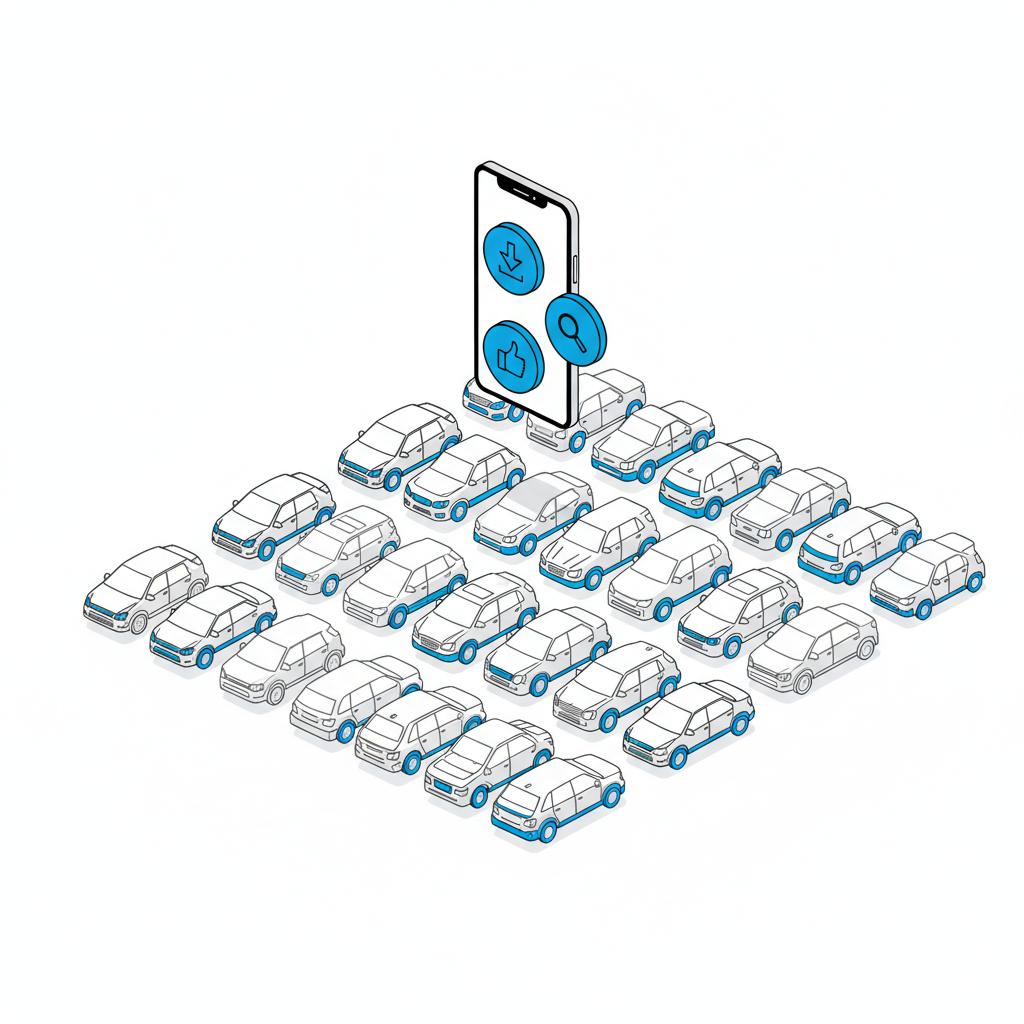
Key items to confirm on a VIN-level report are title status, ownership history, mileage checks, service history and whether any accident entries are reported. Use those items to prioritize listings for inspection and test drive.
Price analysis labels provide quick local pricing context. Labels such as Great Deal, Good Deal and Fair Deal are useful to compare a listing against recent local sale prices, but they should be checked against broader pricing studies and local market trends. Edmunds pricing and ownership analyses
Dealer transparency signals, like dealer profile details, reviews and documented service records, can help you pick which listings to call about first. These signals tend to reduce uncertainty but do not replace VIN-level checks and professional inspections.
What to check on a VIN-level history report
Start with title status to confirm there are no salvage or branded titles. Then verify ownership history for mileage consistency and check for service records that indicate regular maintenance. These items influence future repair likelihood and can change the model's expected total cost to own.
Also use documented service history to confirm timely maintenance. A well maintained vehicle with regular service entries tends to be less risky than one with gaps, all else equal.
How price analysis labels and dealer signals help prioritize listings
Use price analysis labels as a filter that flags listings worth deeper checks. Combine the label with VIN results and dealer transparency signals to narrow the list of candidates for inspection.
Decision framework: step-by-step for choosing a reliable used SUV
Follow a structured three-step scorecard to compare used SUVs. First, set buyer priorities such as budget, commute length and family needs. Second, check reliability and safety data for the model and year. Third, validate the specific vehicle with a VIN report and inspection before you negotiate.

In the scorecard, weight reliability rankings and repair-cost estimates against IIHS safety checks and expected ownership costs. Use price analysis labels to see how the listing compares to local market context and then request a VIN-level vehicle history report (or run one at our run-report tool) before you visit the dealer. J.D. Power Vehicle Dependability Study
Define your use-case and budget
Decide what you need the vehicle to do and how much you can spend on purchase and ongoing costs. A lower priced example with higher expected repair frequency can be more expensive over time than a slightly pricier one with better reliability data.
Weigh reliability, safety and total cost to own
Score candidates by reliability ranking, IIHS safety rating for the exact year and estimated ownership costs. This combined view gives a clearer picture than relying on any single metric alone. IIHS vehicle ratings
Final VIN and inspection steps
Before you sign, obtain the VIN-level vehicle history report, schedule an independent pre-purchase inspection and compare the inspector findings with the report. These checks together reduce the chance of unexpected repairs after purchase.
Common mistakes buyers make and how to avoid them
A common error is assuming a low listing price equals good long-term value. Local supply and demand can distort listing prices, so compare the listed price to broader pricing studies before you assume it is a bargain. Edmunds pricing and ownership analyses
Skipping VIN checks or private inspections is risky. Always get the vehicle history report and arrange an independent inspection to reduce uncertainty about past damage or maintenance gaps.
Ignoring model-year changes and safety equipment differences can also lead buyers astray. High reliability scores do not eliminate the need to confirm safety equipment and recall history for the specific model year. IIHS vehicle ratings
Practical scenarios, sample checklists and a buyer-ready wrap-up
Scenario 1: family SUV with low miles under budget. Start by filtering for clean title, single owner and documented service history. Check the model's reliability rankings, then run a VIN-level history report and compare the price analysis label to local sales data before scheduling an inspection. RepairPal reliability ratings
printable VIN-level checklist for used SUV screening
Use with inspection and VIN report
Scenario 2: commuting-focused compact SUV. Prioritize fuel economy and low repair frequency. Check repair-cost data and owner surveys for the model year, then confirm the listing with a VIN-level vehicle history report and an independent inspection.
Printable checklist. Copy these items when evaluating a listing: confirm clean title and ownership history, verify mileage consistency, review service records, compare the price analysis label to local pricing, check dealer reviews and schedule a professional inspection.
Use this wrap-up to guide the final steps: rely on multi-source reliability data, confirm safety ratings for the exact year, and validate the individual vehicle with a VIN-level report and inspection before you contact the dealer. Kelley Blue Book used car reports
Conclusion: how to use reliability rankings wisely when shopping used
Multiple owner-based and repair-cost datasets point to Lexus models, especially the Lexus RX, as top-ranked mid-size SUVs for dependability, making them a reasonable starting point for buyers who prioritize low repair frequency and predictable ownership costs. Consumer Reports reliability summary (also see US News Lexus RX reliability)
Always check IIHS safety ratings for the exact model year and combine VIN-level vehicle history reports with price analysis labels before you contact a dealer. These steps together reduce uncertainty and help you choose the vehicle most likely to meet your needs and budget. IIHS vehicle ratings
Reliability rankings indicate likely problem frequency but do not fully predict repair costs, which depend on severity, parts and labor; combine owner surveys with repair-cost data for a fuller picture.
Not on its own; low local prices can reflect oversupply or hidden issues, so compare price analysis labels to regional pricing data and confirm with a vehicle history report.
No. Rankings guide model selection, but a VIN-level vehicle history report and an independent inspection are essential before purchase.
References
- https://www.jdpower.com/business/press-releases/2024-us-vehicle-dependability-study
- https://www.kbb.com/car-news/
- https://www.edmunds.com/car-reviews/
- https://www.consumerreports.org/cars/most-and-least-reliable-cars/
- https://repairpal.com/ratings
- https://www.iihs.org/ratings
- https://carfaxdeals.com/run-report
- https://carfaxdeals.com/how-to-use
- https://carfaxdeals.com/vinreport
- https://www.consumerreports.org/cars/lexus/rx/2025/owner-satisfaction/
- https://www.edmunds.com/lexus/rx/2025/consumer-reviews/
- https://cars.usnews.com/cars-trucks/lexus/rx-350/reliability